


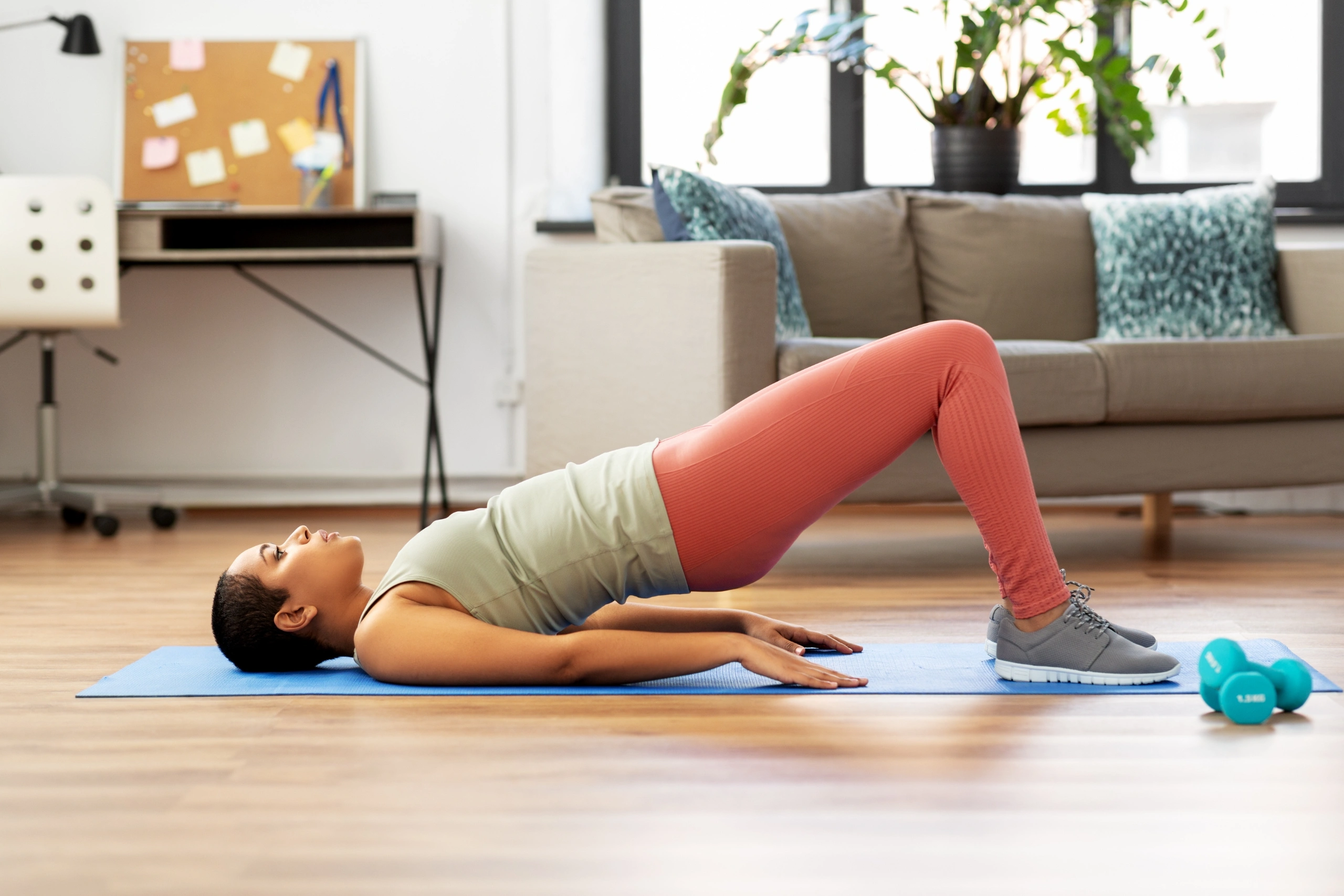
Kegels are one of the most commonly recommended exercises for women—especially as we age. But here’s the truth: doing Kegels isn’t enough. Doing them correctly is what actually makes the difference.
In fact, this is such a common issue that it was recently highlighted in a Woman’s World feature, where pelvic health experts—including myself—emphasized that many women have never actually been taught how to perform Kegels properly.
Let’s break down what Kegels are, why they matter, and how to make sure you’re doing them in a way that truly supports your body.
What Are Kegels, Really?
Kegels are a gentle contraction and relaxation of the pelvic floor muscles.
These muscles sit at the base of your pelvis like a hammock, supporting your bladder, uterus, and rectum. They’re also a foundational part of your core, working in coordination with your deep abdominals, spinal stabilizers, and diaphragm.
When you contract your pelvic floor, the muscles should gently lift and tighten. When you relax, they return to their resting position. This lift-and-release cycle is what supports bladder, bowel, and sexual function.
Why Kegels Matter: 5 Key Benefits
When done correctly, Kegels can have a powerful impact on your overall health and quality of life.
1. Improved Bladder Control
Strong pelvic floor muscles help close the urethra more effectively, reducing leakage when you cough, sneeze, laugh, or exercise.
2. Better Support for Pelvic Organs
Your pelvic floor acts like a sling, helping counteract age-related changes, gravity, and hormonal shifts.
3. Enhanced Sexual Function
Improved muscle tone increases blood flow and sensation, while proper relaxation can reduce discomfort with intimacy.
4. Core Stability and Back Support
Your pelvic floor works in synergy with your deep core to support spinal stability and movement.
5. Greater Confidence in Daily Life
When you’re not worried about leaks or discomfort, you’re more likely to stay active and engaged.
How to Do Kegels Correctly (Step-by-Step)
This is where most people go wrong—so slow down here.
Step 1: Find the Right Muscles
Imagine trying to stop passing gas and urine at the same time. You should feel a subtle internal lift—not a squeeze in your thighs or glutes.
Step 2: Start in a Comfortable Position
Lying down or sitting is best to begin.
Step 3: Gently Lift
Think of “lifting a blueberry with your vagina.” Keep it subtle.
Step 4: Hold
Hold for 5–10 seconds.
Step 5: Fully Relax
Let go completely for at least 5 seconds.
Step 6: Repeat
Work up to 10 reps, 3 times per day.
Bonus: Quick Flicks
Add short, 1-second contractions to improve responsiveness.
And don’t forget to breathe.
5 Questions to Make Sure You’re Doing Kegels Correctly
Even with instructions, many women still unknowingly compensate with the wrong muscles—a point emphasized in the Woman’s World article featuring Dr. Kelly.
Ask yourself:
1. Am I lifting, not pushing down?
Pushing increases pelvic pressure and can worsen symptoms.
2. Am I breathing normally?
Holding your breath works against proper pelvic floor function.
3. Are my glutes, thighs, or abs taking over?
If they are, your pelvic floor likely isn’t doing the work.
4. Can I fully relax between reps?
A pelvic floor that can’t relax is just as problematic as one that’s weak.
5. Do I feel a gentle internal lift?
No lift—or straining—means it’s time to reassess.
Why Doing Kegels Incorrectly Can Make Things Worse
More isn’t better if the technique is off.
Doing Kegels incorrectly can actually increase symptoms like leakage or pelvic heaviness. In fact, pushing down instead of lifting can increase pelvic pressure and worsen issues like prolapse or incontinence—something highlighted by experts in the Woman’s World feature.
And here’s what many women don’t realize:
Not all pelvic floors are weak. Some are too tight.
If you’re experiencing pelvic pain, urgency, or difficulty emptying your bladder, strengthening alone may not be the answer.
What Women Over 50 Should Know
After menopause, declining estrogen affects tissue elasticity and muscle support, making symptoms like leakage and urgency more common.
Kegels can absolutely help—but they’re just one piece of the puzzle.
If you’re experiencing:
- Urinary leakage
- Pelvic heaviness
- Bowel changes
- Pain with intercourse
…it’s worth seeing a pelvic health physical therapist for individualized guidance.
The Bottom Line
Kegels aren’t just about squeezing—they’re about coordination, control, and awareness.
When done well, they support your core, your confidence, and your long-term health.
When done poorly, they can reinforce the very problems you’re trying to fix.
And if you’re not sure where you fall—that’s not a failure. It’s an opportunity to learn how to do it right. If you feel like you need more personalized guidance, please reach out to us directly, we’d be more than happy to help (www.makeawavecincy.com).
About the Author:
Dr. Kelly is a Doctor of Physical Therapy whose experiences and treatment approach set her apart. She has worked extensively with individuals who have experienced trauma and values the importance of building trust and meeting patients where they are in their healing journey. Her mission is to continually learn and grow to help others achieve their goals and improve their quality of life. She is passionate about advancing pelvic health, including better pregnancy and postpartum rehabilitation, education on menopause, awareness of pelvic pain resources, and access to the benefits of pre-habilitation for prostate cancer.