


By Dr. Sara Koehl, PT, DPT
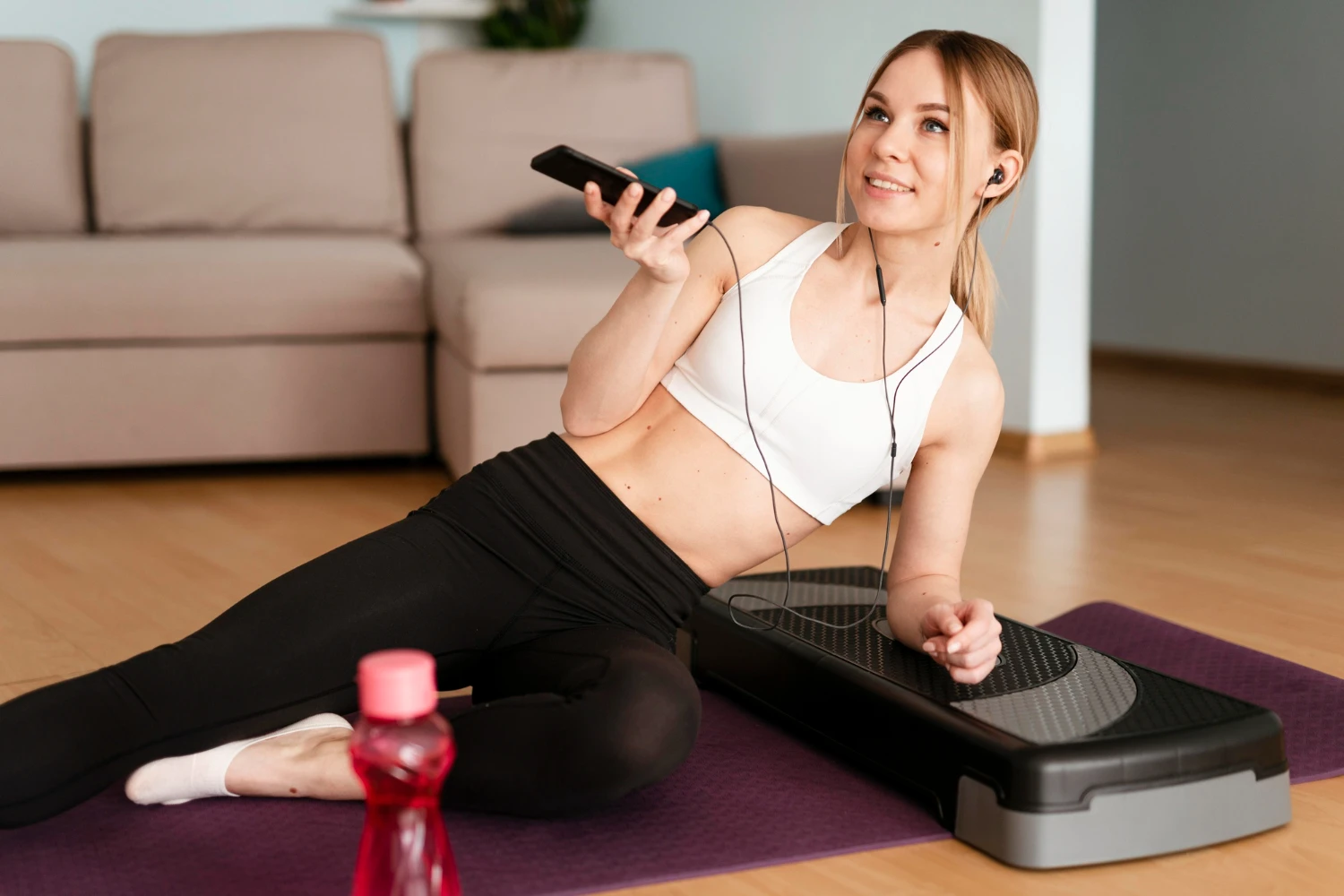
Separating the Science From the Social Media Hype
If your social media feed looks anything like ours, you’ve probably seen vibration plates everywhere lately. They’re being marketed as the newest wellness must-have—promising everything from improved circulation and lymphatic drainage to stronger muscles and better balance. I have had several patients ask me about vibrations plates over the last several months, so I decided to do some research myself.
So, are they actually worth the hype?
The answer is a lot less exciting than social media might have you believe—but arguably much more helpful. Like many wellness tools, vibration plates aren’t magic. They’re simply another way to challenge your body and, when used appropriately, they can offer meaningful benefits for certain people.
The key is understanding what they do well—and what they don’t.
What Are Vibration Plates?
Vibration plates create rapid, oscillating movements that cause your muscles to contract reflexively as your body works to maintain stability. While it may look like you’re simply standing still, your muscles and nervous system are continuously responding to those small movements.
It’s not passive movement—your body is actively involved.
WAVE Insight: “Research supports vibration plates for muscle strengthening, improved bone density, and reduced risk of falls. They can be particularly helpful for older adults or for anyone who cannot perform traditional strength training at higher loads.” — Dr. Sara Koehl, PT, DPT
What Should You Expect?
One of the biggest misconceptions about vibration plates is that they’re designed to replace exercise. They’re not.
Think of them as another tool in the movement toolbox.
When utilized appropriately, vibration plates may help support:
- Muscle strengthening and activation
- Improvements in balance and stability
- Bone health and density
- Improved circulation
- Reduced fall risk in older adults
- Low-impact exercise options for individuals with physical limitations
Where vibration plates tend to work best is when they’re used intentionally. Performing exercises like squats, calf raises, balance activities, or planks while utilizing the plate creates more muscular engagement than simply standing passively.
Also, keep in mind that there are different types of vibration plates on the market. If you are looking for strength gains, look for an vertical platform which shows to be more effective than an oscillatory platform to complement a strength program.
What Vibration Plates Don’t Do
Social media has a way of making wellness trends sound like miracle solutions, and vibration plates haven’t escaped that treatment.
Vibration plates don’t replace strength training. They don’t eliminate the need for regular movement or healthy lifestyle habits. And while they’re often marketed for things like lymphatic drainage or effortless weight loss, the research supporting those claims is considerably more limited than what’s available regarding strength, balance, and bone health.
Also, even when looking at research studies showing effectiveness in strengthening programs, participants were involved in a 14 week program, with outcomes only slightly improved to those in a strengthening program without the plates. I think here the significant factor is the consistent exercise itself more than the addition of the plate.
WAVE Insight: “The best recovery and wellness tools are the ones that complement movement—not replace it.”
Who Benefits Most?
One of the reasons we’re excited about vibration plates is that they can make movement more accessible for people who might otherwise feel limited.
They may be particularly helpful for:
- Older adults working to maintain strength and balance
- Individuals recovering from injury or surgery
- People with joint pain or load restrictions
- Active adults looking to supplement their current routine
- Anyone who benefits from lower-impact strengthening options
Like physical therapy itself, the right intervention depends entirely on the person sitting in front of us.
A vibration plate that’s incredibly helpful for one individual may not be particularly beneficial for another—and that’s okay.
Where Vibration Plates Fit Into Wellness
At WAVE, we don’t tend to think in terms of “good” or “bad” wellness trends. We ask whether something is appropriate, evidence-informed, and supportive of someone’s goals.
Vibration plates check those boxes for many people.
They’re not intended to replace walking, strength training, or individualized exercise programs. Instead, we view them as a potential complement to those things.
Movement remains the foundation.
Sometimes that movement looks like resistance training. Sometimes it looks like physical therapy after an injury. And sometimes it looks like utilizing tools that make movement safer, more accessible, or more enjoyable.
There’s room for all of those approaches.
The Bottom Line
Vibration plates are more than just another social media trend. Research supports their role in improving muscle strength, balance, bone density, and reducing fall risk—particularly for older adults and individuals who may not tolerate heavier resistance training.
Like most wellness tools, they tend to work best when they’re part of a larger picture that includes movement, strength, recovery, and individualized care.
At WAVE, we don’t believe every person needs the same treatment plan—or the same wellness tools. Our physical therapists take the time to understand your goals, your limitations, and what your body needs, so we can help you move better for the long term.
The best strength program is the one you’ll actually stick with. Personally, I know myself well enough to know that another piece of equipment sitting in my house isn’t going to make me more consistent. But for someone else, a fun new gadget might be exactly the motivation they need to get moving—and if that’s you, a vibration plate could genuinely help.
About the Author
Dr. Sara Koehl, PT, DPT
Dr. Sara Koehl is a physical therapist at WAVE Physical Therapy & Pilates who is passionate about helping individuals move better, build resilience, and remain active throughout every stage of life. She utilizes an individualized, movement-first approach to care that combines evidence-based treatment with patient education to help people achieve meaningful, lasting results.