


If you’re dealing with chronic pain, recovering from an injury, or simply trying to optimize your body’s natural healing processes, understanding cold therapy—what it actually does and when to use it—can make all the difference between supporting your recovery and potentially slowing it down.
What Cold Therapy Actually Does to Your Body
When you apply cold to your body, whether through ice packs, cold water immersion, or other methods, you’re triggering a specific physiological response. Cold causes vasoconstriction, meaning your blood vessels narrow and reduce blood flow to the area. This decreases inflammation, numbs nerve endings (which provides pain relief), and slows down cellular metabolism in the treated area.
Think of it like hitting a pause button on your body’s inflammatory response. In the right situations, this can be incredibly helpful. After an acute injury—like a sprained ankle or a sudden muscle strain—cold therapy can minimize swelling and provide immediate comfort. The reduced blood flow prevents excessive fluid buildup in the tissues, which is why that ice pack feels so good on a fresh injury.
But here’s where it gets interesting: inflammation isn’t always the enemy. Your body’s inflammatory response is actually a crucial part of healing, delivering nutrients, oxygen, and immune cells to damaged tissue. This is why the timing and application of cold therapy matters so much.
The Biggest Myths About Cold Therapy
Myth #1: Ice is always best for injuries
Many people reach for ice immediately after any type of pain or injury, but cold therapy isn’t a universal solution. For chronic conditions like ongoing back pain or hip stiffness, cold might actually be counterproductive. These issues often benefit more from heat, which increases blood flow and helps relax tight muscles.
Myth #2: The longer you ice, the better
Excessive icing can actually delay healing. When you keep tissues cold for too long, you’re preventing the very blood flow your body needs to repair itself. Most experts recommend 10-15 minutes at a time, with breaks of at least 1 hour in between to allow the area to rewarm.
Myth #3: Cold plunges cure everything
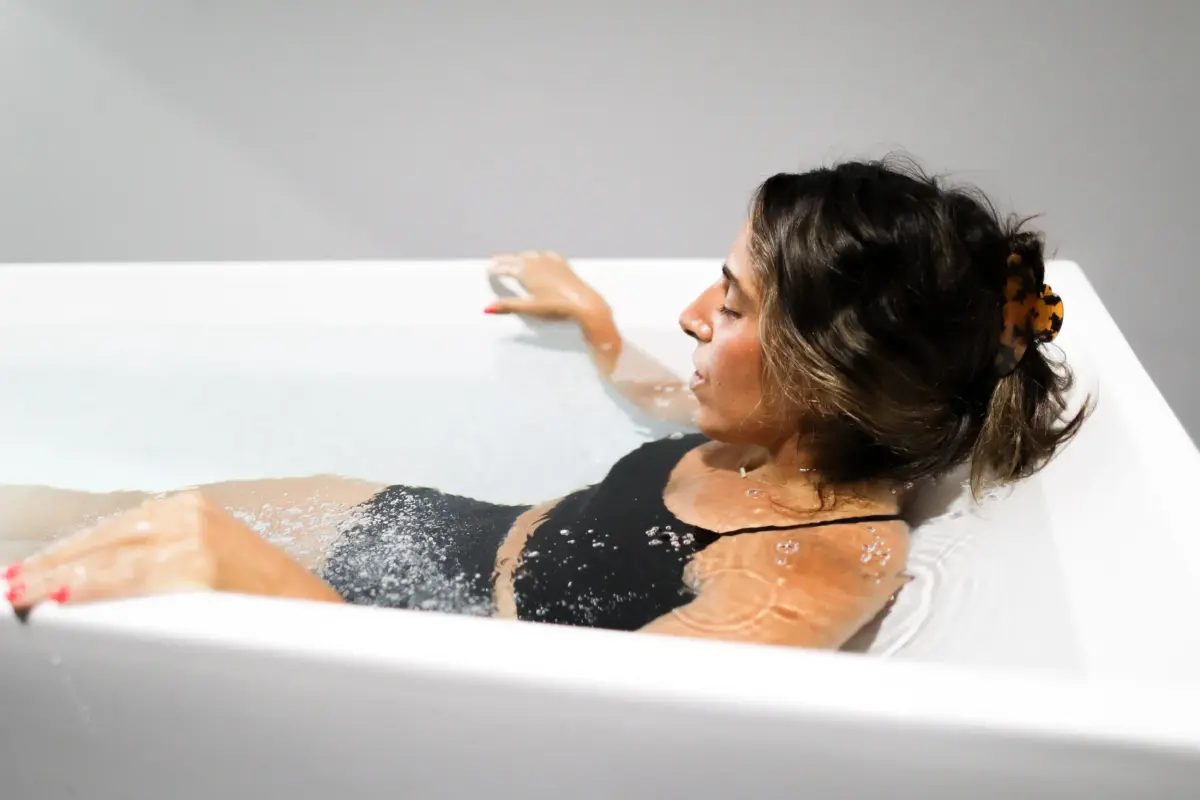
While cold water immersion has legitimate benefits for recovery and may help with certain aspects of metabolic health, it’s not a magic bullet. The research shows it can reduce muscle soreness after intense exercise, but it may also blunt some of the adaptive responses your muscles need to get stronger. Timing is everything.
Myth #4: You should ice immediately after every workout
If you’re trying to build strength and muscle, icing right after resistance training might work against you. That post-workout inflammation is part of how your muscles adapt and grow stronger. Cold therapy is better reserved for when you’ve pushed too hard or are dealing with acute soreness that’s interfering with your next training session.
When Cold Therapy Works Best
Cold therapy shines in specific situations. Use it for acute injuries within the first 48-72 hours—think rolled ankles, sudden muscle strains, or any time you experience immediate, significant swelling. It’s also helpful for managing flare-ups of inflammatory conditions when guided by your healthcare provider.
Athletes often use cold water immersion between intense training sessions or competitions to manage muscle soreness and feel fresher for the next performance. If you’re dealing with nerve pain or need temporary pain relief to participate in your physical therapy exercises, strategic cold application can be beneficial.
How WAVE Approaches Recovery and Pain Management
At WAVE Physical Therapy + Pilates, we take a personalized approach to recovery strategies, including when and how to use modalities like cold therapy. During your movement assessment, we evaluate not just your injury or pain, but your entire movement patterns, your goals, and where you are in your healing journey.
For some patients, we might recommend targeted cold therapy as part of a comprehensive treatment approach. For others, we might suggest heat, movement, or manual therapy techniques instead. The key is matching the right strategy to your specific situation—not following a one-size-fits-all approach.
Our movement specialists help you understand what your body needs at each stage of recovery. Sometimes that means knowing when not to ice, which can be just as important as knowing when to reach for that ice pack.
Practical Guidelines for Using Cold Therapy
If cold therapy is appropriate for your situation, here’s how to do it safely and effectively:
Duration: Apply cold for 10-15 minutes at a time, allowing your skin to return to normal temperature between sessions. You can repeat every 1-2 hours during the acute phase of an injury.
Protection: Always place a thin barrier (like a towel or pillowcase) between ice and your skin to prevent ice burns or frostbite.
Temperature: For cold water immersion, temperatures between 50-59°F (10-15°C) are typically sufficient. You don’t need to go colder to get benefits, and extreme cold increases risks.
Listen to your body: If your skin becomes numb, bright red, or painful beyond the initial cold sensation, remove the cold source immediately.
Finding What Works for Your Body
Cold therapy can be a valuable tool in your recovery toolkit, but it’s just that—one tool among many. The real magic happens when you understand your body well enough to know which tool to reach for and when.
If you’re unsure whether cold therapy is right for your specific condition, or if you’ve been icing religiously without seeing the improvements you expected, it might be time for a different approach. Our team at WAVE specializes in helping you decode what your body actually needs—not just what the latest wellness trend suggests.
Curious about whether your current recovery strategies are helping or hindering your progress? We’d love to help you create a personalized treatment approach that addresses the root cause of your pain, not just the symptoms. Schedule a movement assessment and discover what’s possible when you have the right guidance.
About the Author: Larisa Durrenberger, PT, MSPT