


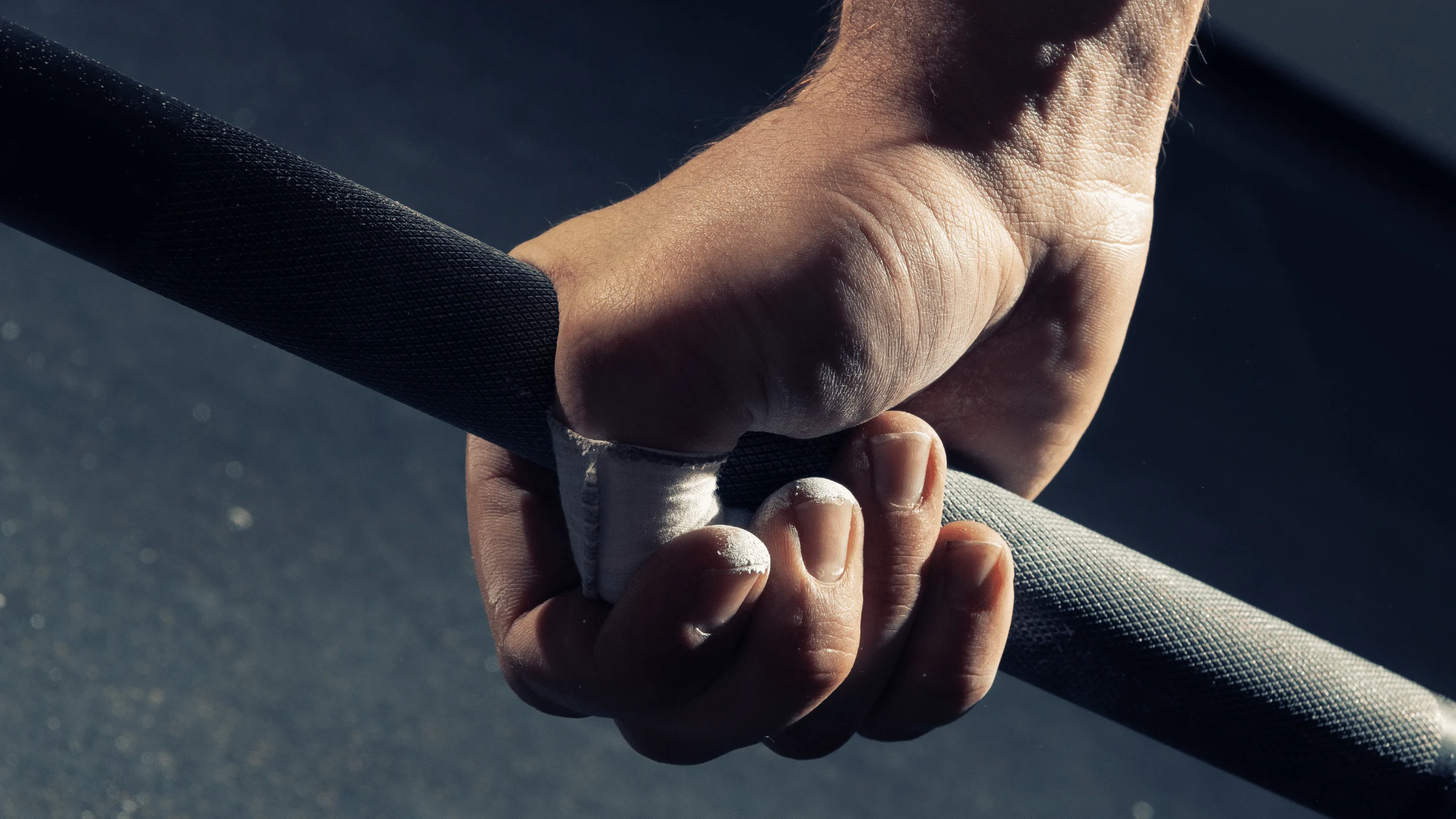
Recent research has positioned grip strength as one of the most reliable indicators of how well you’re aging. Studies have connected stronger grip with lower rates of cardiovascular disease, better blood sugar regulation, reduced inflammation, and improved cognitive function. A recent Business Insider article featured Dr. Sarah Crawford, PT, DPT, who emphasized that grip strength reflects far more than just hand muscles—it’s a window into your overall vitality and longevity.
Grip Strength Is More Than a Hand Measurement
Your ability to grip, hold, and carry reveals the health of your entire neuromuscular system. When researchers assess grip strength, they’re measuring muscle quality, nervous system efficiency, metabolic health, and your body’s ability to adapt to physical demands.
If the small, intricate muscles of your hands and forearms are strong, it signals that you’re moving regularly and loading your tissues in meaningful ways. Grip strength becomes a reflection of an active, resilient lifestyle.
This is why it’s emerged as a “vital sign” of aging. It correlates strongly with functional independence, fall risk, and long-term mobility—especially for women over 40 who face natural declines in muscle mass without consistent strength training.
Why Squeezing a Stress Ball Won’t Cut It
With grip strength trending, you’ll see more desk gadgets, hand grippers, and stress balls marketed as solutions. But building grip strength requires more than isolated squeezing exercises.
Your hands are designed to respond to real load and full-body integration. If your lifestyle is otherwise sedentary, no amount of desk accessories will override that. Grip strength develops as a natural byproduct of living actively and training your body to handle resistance.
The Movements That Actually Build Grip Strength
You don’t need complicated programs. Grip strength improves naturally through pulling, carrying, and hanging movements.
Farmer’s Carries are incredibly effective. Hold a heavy weight in each hand and walk. This builds grip endurance, shoulder stability, core control, and postural strength simultaneously.
Suitcase Carries challenge lateral stability by holding one weight on one side while walking. Your core works harder to prevent leaning while your grip maintains the load.
Dead Hangs and pullups might be the simplest grip builders. Hang from a pull-up bar for as long as you can. This improves grip strength, shoulder health, spinal decompression, and scapular stability. As your strength improves, you can progress toward pull ups with assistance initially until you can do them independently.
Pulling Movements like rows, deadlifts, kettlebell swings, and sled pulls all demand grip strength naturally. Anytime you pull, carry, or resist load through your hands, you’re training your grip as a functional side effect.
What This Means for Women Over 40
Weak grip often correlates with reduced overall strength, decreased confidence in movement, and higher fall and fracture risk. But building and maintaining grip strength signals that you’re keeping your entire body strong and capable.
This is why we don’t separate hand strength from whole-body health. Your grip is part of your kinetic chain, and when you train smart, grip strength follows naturally.
Common Mistakes When Building Grip Strength
The biggest misconception is that grip strength can be “hacked” with quick fixes. Grip strength isn’t something you shortcut—it’s something you earn through how you live and train.
Another mistake is neglecting progression. Just like any strength training, your grip needs to be challenged over time with gradual increases in load, time, or difficulty.
Finally, don’t overlook recovery. Your hands and forearms need rest between demanding sessions to avoid overuse injuries.
Daily Habits That Support Grip Strength
Small daily practices add up significantly when paired with intentional strength training. Carry your groceries instead of using a cart. Park farther away and carry your bags. Choose to carry laundry baskets instead of dragging them.
Even fine motor tasks like handwriting, cooking, or gardening contribute to hand strength and dexterity.
Grip Strength Is a Signal, Not a Shortcut
Grip strength reflects how you move, how you load your body, and how resilient your system is. That’s exactly why it correlates so strongly with longevity.
Instead of asking “How do I strengthen my hands?” ask “How am I training my body to stay strong for life?” When you answer that through thoughtful movement and functional strength training, your grip strength naturally follows.
Longevity isn’t built in isolated pieces—it’s built through integrated systems.
How We Approach Grip Strength at WAVE
At WAVE Physical Therapy + Pilates, we don’t isolate grip strength. We build it through integrated strength training, smart loading strategies, movement assessments, and personalized care plans that address your whole body.
Whether through Pilates, functional training, or real-world movement patterns, we help you develop the kind of strength that supports longevity throughout your entire system.
Curious about how functional strength training could improve your movement quality and support healthy aging? Reach out to our team to explore how personalized movement therapy can help you build strength that lasts.