


By Emily Poirier, PT, DPT, Pelvic Health Physical Therapist
Why a Headache, Fatigue, or All-Over Soreness Can Follow Bodywork — and What It Actually Means
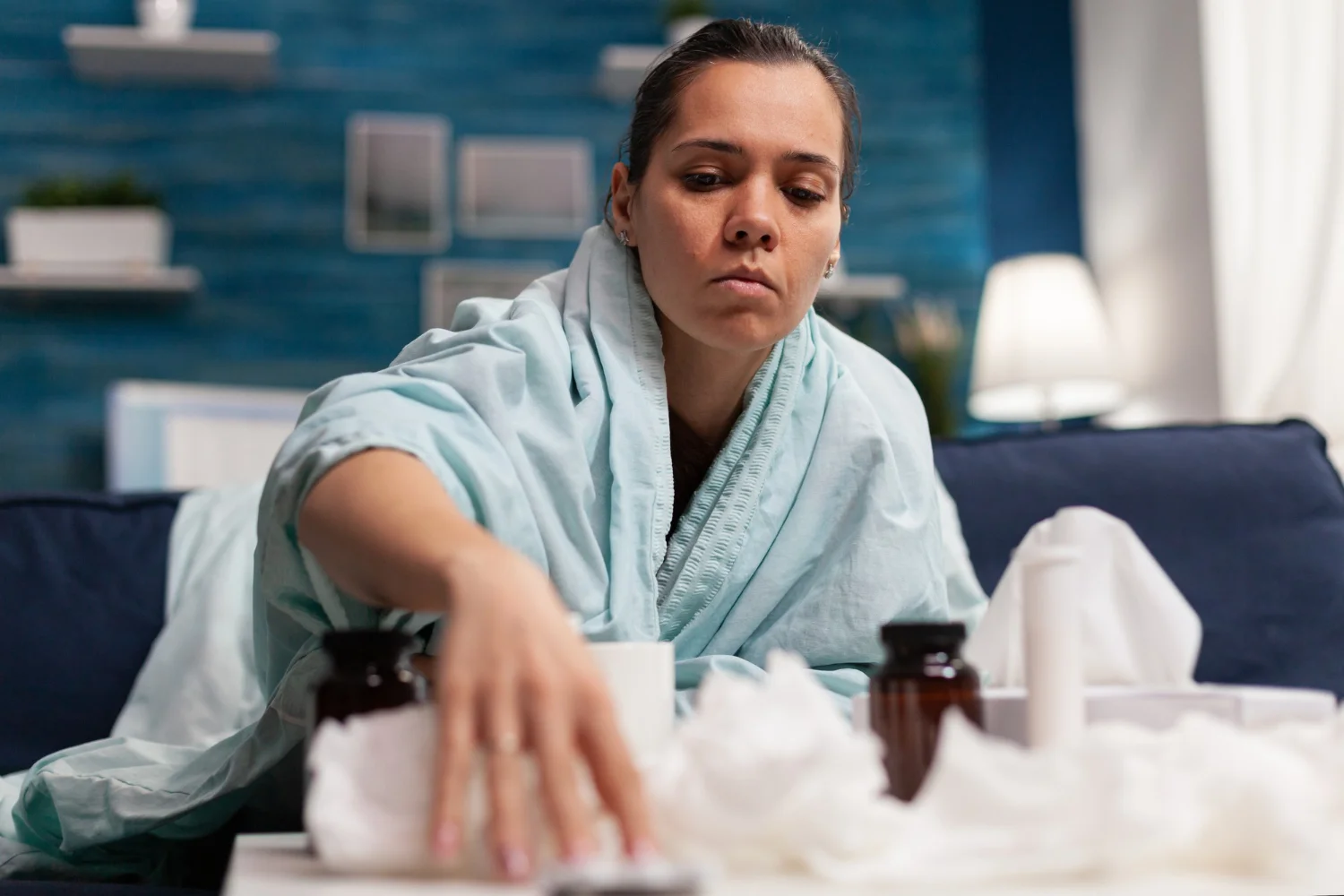
You booked the massage expecting to float out of the room. Instead, you’re home two hours later with a dull headache, stuffy sinuses, and the vague, achy sense that you’re coming down with something.
It’s a strange feeling, especially when you did something that was supposed to help. But it’s also more common than most people realize. It even has a nickname: “massage flu.”
At WAVE, we think this is a perfect example of why understanding why your body is responding a certain way matters more than guessing. A little context turns a worrying symptom into useful information.
What Is “Massage Flu”?
“Massage flu” is an informal term for feeling temporarily unwell after bodywork. This usually presents as some combination of headache, fatigue, sinus symptoms, or generalized soreness. It is not an actual illness, and it is not an infection.
“This does not mean that they are actually sick with a flu, but they are likely experiencing the effects of a more intense massage,” explains Emily Poirier, pelvic health physical therapist at WAVE Physical Therapy & Pilates, in an interview with Glamour.
In other words, the name is memorable but misleading. Nothing is being “released” or “detoxed” out of you. What you’re feeling is a short-lived response to a fairly significant amount of input your body just received.
Why Do You Feel Sick After a Massage?
The short answer: massage changes how fluid moves through your body, and that shift can produce systemic effects you notice well beyond the muscles that were worked on.
“Certain massage techniques can promote improved lymphatic drainage and cause temporary changes like increased circulation,” Poirier says. “This can result in some systemic effects that can feel a little like being sick.”
That word — systemic — is the key. A massage isn’t only a local event happening in your shoulders or hips. Your circulatory and lymphatic systems run through your entire body, so meaningful changes in fluid movement can show up in places you weren’t expecting.
What Symptoms Are Common After an Intense Massage?
Most post-massage symptoms are mild, short-lived, and more annoying than alarming. People commonly report:
- Headache.
- Fatigue or a heavy, drained feeling.
- General muscle soreness, similar to a day-after-workout ache.
- Sinus congestion or pressure.
- Feeling slightly “off” for the rest of the day.
The pattern to look for is intensity and duration. A mild ache that fades within a day or so behaves very differently from sharp pain, bruising, symptoms that keep escalating, or discomfort that lingers for several days. Symptoms of that severity level are worth a conversation with a healthcare provider rather than waiting it out.
Does Hydration Actually Help After a Massage?
Yes, this is one of the few pieces of common post-massage advice that holds up for a specific, understandable reason.
“During a massage there is a lot of increased lymphatic drainage and circulation throughout the body, so adequate hydration and fluid intake is essential,” Poirier says.
Note what that reasoning isn’t. Drinking water after a massage doesn’t flush toxins out of your muscles — that’s a myth that has outlived its usefulness. It supports your body during a period of increased fluid movement, which is a far more modest and far more accurate claim. Pair it with a lighter rest of the day when you can, and most people find symptoms resolve quickly.
Does Feeling Sore Mean the Massage Worked?
No. This is one of the most persistent ideas in bodywork, and it deserves some pushback: soreness is not a scorecard.
More pressure is not automatically more effective, and discomfort is not proof of progress. Deeper work simply delivers more input, and more input tends to produce a bigger short-term response. Whether that response is useful depends entirely on what your body actually needs.
If you consistently feel wrecked after every session, that’s a signal to adjust intensity, frequency, or approach which is worth discussing with your massage therapist.
What Should You Do If Massage Keeps Leaving You Feeling Awful?
Ask a better question than “how do I tolerate this?” Ask why you keep needing it.
If you’re booking massage after massage to manage the same recurring neck tension, low back pain, headaches, or pelvic discomfort, the massage may be providing genuine short-term relief while the underlying driver goes unaddressed. Hands-on care is genuinely valuable — but it works best inside a plan that also accounts for strength, mobility, movement mechanics, breathing, load management, and daily habits.
Relief that never lasts is information. It usually means something upstream hasn’t changed yet.
The Bottom Line
“Massage flu” isn’t an illness. It’s a temporary, systemic response to increased circulation and lymphatic drainage after bodywork, and it typically shows up as headache, fatigue, sinus symptoms, or soreness that resolves within a day or two. Hydration and rest help. Severe or lingering symptoms deserve a professional opinion. If massage is the only thing keeping recurring pain at bay, it’s worth investigating what’s actually causing it.
If you’re tired of chasing temporary relief, we’d love to help you find the root cause instead. At WAVE Physical Therapy & Pilates, our physical therapists combine individualized treatment, manual therapy, and movement-based rehabilitation to help you understand your body and build results that stick.
Sources & Further Reading
About the Author
Dr. Emily Poirier, PT, Pelvic Health Physical Therapist
Dr. Emily Poirier is a pelvic health and orthopedic physical therapist at WAVE Physical Therapy & Pilates in Cincinnati. She specializes in helping patients understand the connection between pelvic health, breathing, and whole-body movement, and takes a root-cause approach to care — combining hands-on treatment, movement education, and individualized programming to help patients feel stronger and more confident in their bodies.