


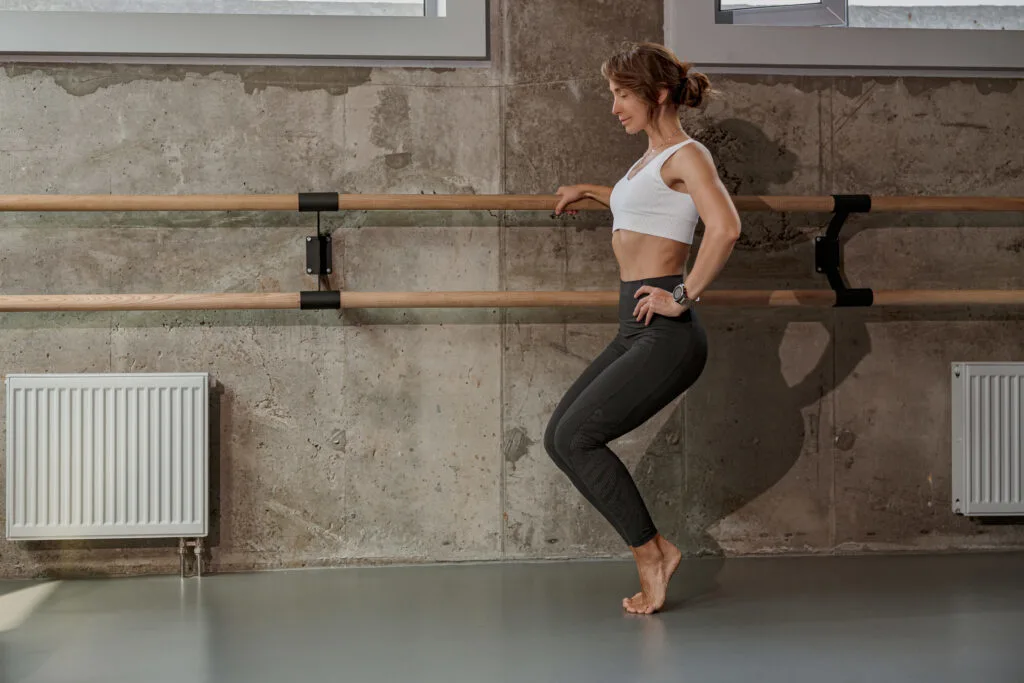
Enter the 3-2-8 method: a sustainable exercise plan that’s gaining attention for all the right reasons. Unlike extreme fitness trends that push your body to its limits, this approach recognizes something we see every day in our clinic—your body needs variety, recovery, and consistent movement to thrive. I was recently interviewed by Strikekick to discuss this method as a Physical Therapist specializing in performance and preventative medicine, so be sure to check out that article as well.
The Science Behind This Sustainable Exercise Plan
The 3-2-8 method breaks down into three simple components:
- 3 days of strength training per week
- 2 days of low-impact movement like Pilates or yoga
- 8,000 steps daily
From a movement specialist’s perspective, this framework addresses the three pillars of functional fitness that we focus on at WAVE: building strength, maintaining mobility, and encouraging consistent activity without overtraining.
Here’s why it works: Your muscles need stress to grow stronger, but they also need recovery time to repair and adapt. When you strength train three days a week with rest days in between, you’re giving your body the perfect balance. The low-impact days aren’t “off days”—they’re active recovery that keeps blood flowing, reduces stiffness, and maintains your range of motion. Think of it like gently kneading dough instead of letting it sit untouched.
The daily step goal keeps your metabolism active and your joints lubricated. Walking is one of the most underrated forms of exercise, especially for managing chronic pain. It’s low-impact enough that most people can do it consistently, yet effective enough to improve cardiovascular health and maintain bone density.
Common Mistakes People Make With Exercise Plans
We’ve seen countless clients who’ve injured themselves or burned out trying to follow workout trends. Here are the most common pitfalls:
Going too hard, too fast. You decide to “get serious” about fitness and suddenly you’re doing high-intensity workouts six days a week. Your body doesn’t have time to recover, cortisol levels spike, and you end up exhausted or injured within a month.
Ignoring mobility work. If you’re only lifting weights without incorporating flexibility and core stability work, you’re setting yourself up for imbalances. That shoulder pain or lower back tightness? Often it’s because certain muscles are overworking while others are weak or tight.
All-or-nothing thinking. You miss a few workouts and decide the whole plan is ruined, so you quit entirely. A sustainable exercise plan needs to fit into your real life—not the other way around.
Skipping daily movement. Many people think if they work out three times a week, they can be sedentary the rest of the time. But our bodies are designed to move throughout the day. Those 8,000 steps aren’t just about burning calories—they’re about keeping your tissues healthy and preventing the stiffness that comes from prolonged sitting.
How to Make the 3-2-8 Method Work for You
The beauty of this sustainable exercise plan is its flexibility. Here’s how to implement it based on what we recommend to clients:
For your strength days: Focus on functional movements that translate to daily life—squats, lunges, pushing, pulling, and core work. You don’t need fancy equipment. Bodyweight exercises, resistance bands, or moderate weights work beautifully. The goal is to challenge your muscles without compromising form.
For your low-impact days: This is where Pilates shines. At WAVE, we’ve seen how Pilates-based movement helps people build core stability, improve posture, and move with better control. If Pilates isn’t your thing, gentle yoga, swimming, or even a structured stretching routine works well. The key is intentional movement that supports recovery.
For your daily steps: Break them up throughout the day. A morning walk, a lunchtime stroll, evening movement—it all counts. If you’re dealing with chronic pain, start where you are. Maybe it’s 5,000 steps right now, and you build up gradually. Progress, not perfection.
If you’re managing chronic neck, back, or hip pain, this approach can be particularly helpful because it avoids the excessive stress that aggravates many conditions while still keeping you active. However, proper form is crucial—especially during strength training. Poor movement patterns can reinforce the very issues causing your pain.
That’s where personalized guidance makes all the difference. At WAVE, we perform detailed movement assessments to identify exactly where your body needs support, then create treatment approaches that complement your exercise routine. Sometimes a few targeted sessions can correct movement compensations that have been holding you back for years.
Building Your Sustainable Path Forward
The 3-2-8 method works because it’s built on principles your body already understands: stress and recovery, strength and mobility, consistency over intensity. It’s not about pushing yourself to exhaustion—it’s about creating a rhythm of movement that you can maintain for years, not just weeks.
If you’ve been struggling to find a sustainable exercise plan that doesn’t leave you sore, exhausted, or injured, this framework offers a realistic starting point. And if you’re dealing with pain that’s been limiting your ability to exercise confidently, you don’t have to figure it out alone.
We’d love to help you move better and feel stronger. Whether you’re curious about how your current movement patterns might be contributing to chronic pain, or you want guidance on building strength safely, our team specializes in helping people like you create lasting change.
Schedule a movement assessment at WAVE Physical Therapy + Pilates, and let’s discover what your body is capable of when it has the right support.
About the Author:
Larisa Durrenberger, PT, MSPT, has been a physical therapist since earning her degree from the University of Missouri in 2004. With over 21 years of experience, she specializes in orthopedics, sports medicine, performing arts medicine, and Pilates.
Inspired by her dance background, she is passionate about helping dancers, athletes, and patients recover, prevent injury, and feel stronger than before. Larisa has trained with leading practitioners, including Jackie Haas, Carolyn Crampton, and the Harkness Center for Performing Arts Medicine in New York City.