Hip & Knee Pain Treatment in Cincinnati
The ache is fine for the first few minutes of activity, then it builds into something that makes you slow down. If you are watching what you do instead of just doing it, one evaluation opens up what is actually holding you back.
What causes hip and knee pain?
Hip and knee pain rarely comes from a single problem. The knee sits between the hip and the foot, and when either one is weak, stiff, or off balance, the knee pays for it. Chasing the ache with ice and rest treats the symptom while the real problem stays active. At WAVE, we look at the whole chain, hip to foot, before we ever touch the joint that hurts. Ohio allows direct access, so you can book that evaluation without waiting on a referral first.
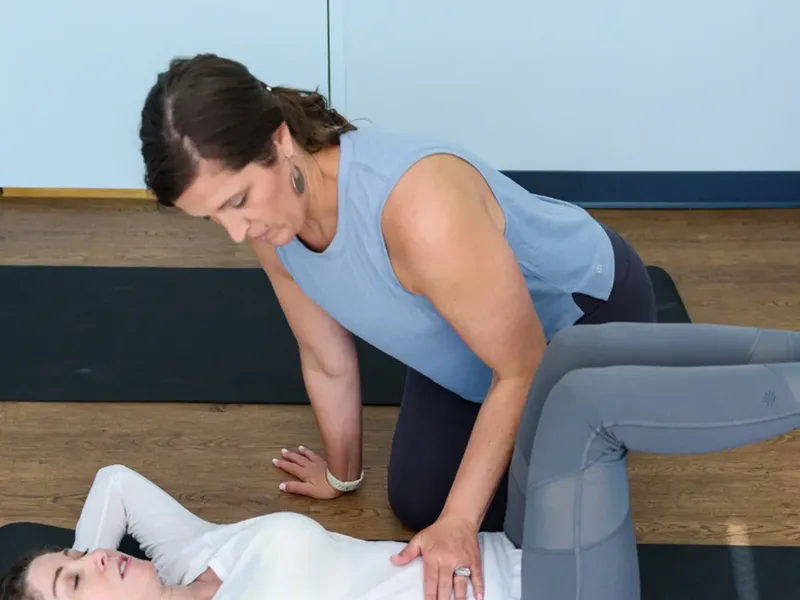
The kneecap tracks poorly when the hip is weak or the foot collapses inward. The cartilage under the kneecap gets irritated with every step or pedal stroke. It is not the knee that is weak. It is usually the hip muscles that are not doing their job, forcing the knee to compensate. Fix the hip, and the knee usually settles.
The hip has small bursae, or fluid-filled sacs, that reduce friction. When the hip muscles are imbalanced or tight, they irritate these bursae and the surrounding structures. Pain on the outside of the hip or deep in the joint often comes from overload and muscle imbalance, not from structural damage that requires surgery.
The IT band is a thick strip of connective tissue that runs down the outside of your leg. When your hip muscles are weak, the IT band becomes overworked and inflamed. Pain on the outside of the knee during running or activity is the result. Strengthening the hip stops the IT band from being pulled too tight.
Wear and tear happens, especially as we age. But arthritis itself is not a death sentence for your knees or hips. Strong muscles around a joint protect it and keep it moving smoothly. Rebuilding strength and restoring movement often brings pain relief even when imaging shows arthritis.
The hip muscles control how your leg moves with every step. When the glutes and hip stabilizers are weak or underactive, the knee has to twist and bend in ways it was not meant to. This distortion is cumulative and leads to both knee and hip pain. Activating and strengthening the hip stops the problem at its source.
The meniscus acts as a shock absorber in the knee. Wear from repetitive activity, especially with poor mechanics, gradually breaks down this cartilage. While severe damage may need surgery, moderate wear often responds well to reduced load, proper strengthening, and movement patterns that protect the joint.
The hip joint is very durable, but it can wear down over time from age or overuse, and the more worn it becomes, the more likely you are to have chronic hip pain. A slip and fall can break the bones in the hip. Other common causes include hip fractures, work injuries, tendon or muscle strain, and osteonecrosis. Hip pain often shows up on the outside of the hip, along the outer buttock or upper thigh, and it can happen at rest, while walking, or during any other physical activity.
Knee pain often comes with the normal aging process or overuse, but sports injuries and auto accident injuries are also common causes, as is medial plica syndrome. Chronic knee pain can also come from damage to the bony structures of the knee (the femur, tibia, and fibula), the cartilage, or the ligaments, and a knee dislocated in a sport or work injury can leave lasting pain. Besides pain, common symptoms include stiffness, swelling, popping, and general instability, and some people find it difficult to fully straighten the knee.
Jumper's knee is often seen in people who do a lot of jumping, such as in basketball, volleyball, racquet sports, and track and field. The pain is typically felt just below the kneecap, partly on the bone and partly on the tendon. Runner's knee pain, by contrast, is felt on the sides of or under the kneecap.
Knee surgeries are common after major injuries, and physical therapy helps you recover quickly and safely afterward. Many people who choose surgery for a hip or knee injury still need physical therapy to recover and reduce pain.
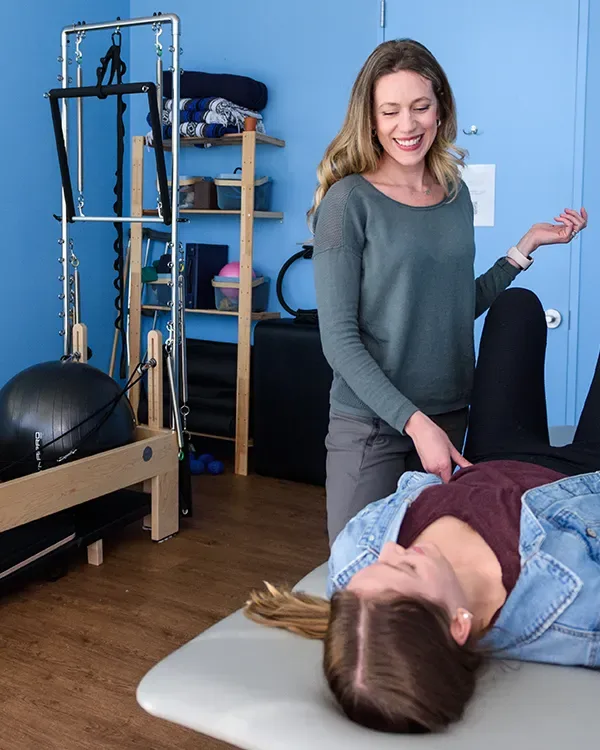
How physical therapy in Cincinnati helps.
Hip and knee pain is one of the most treatable conditions we see, especially once we know what is actually broken: weak hips, stiff ankles, or movement patterns that have quietly shifted the load somewhere it should not be. We release tight tissue with hands-on manual therapy and, for select patients, spinal and joint manipulation and cupping, techniques Dr. Annalise Calo uses regularly for hip and knee patients. For certain post-injury or post-surgical cases, we also use blood flow restriction training to rebuild strength safely while a joint is still healing. Then we build strength in the muscles that protect your hips and knees, layering in Pilates-based control work most traditional PT clinics skip. The goal is not just pain relief. It is hips and knees strong enough for whatever activity you want to keep doing.
Physical therapy for hip and knee pain is safe, effective, non-invasive, and prescription drug-free, so it suits patients of all ages. Studies have shown that the manual techniques and mobilizations used in physical therapy can reduce hip and knee pain and inflammation, restore your natural range of motion, and strengthen the joints. For better results, your therapist may also recommend at-home exercises along with passive treatments such as heat and ice therapy or electrical stimulation.
What to expect from your recovery.
Assessment
We look at how you move your leg, how your hip works, how your knee tracks, and how your foot lands. We test your strength, your flexibility, and your stability. We find the real driver of your pain, not just the place where it hurts.
Release and mobility
We use hands-on work to release tight muscles in the hip, knee, and ankle. We restore the movement your joints have lost. We reduce pain so you can start moving better without guarding or limping.
Strength and control
We rebuild the muscles that control your hips and knees, especially the stabilizers that protect your joints, using targeted strengthening and Pilates-based movement work. We teach you how to move through your everyday life without recreating the problem. The strength we build is what keeps you pain-free long after therapy ends.
Annalise has been a game changer for me for my back and hip pain.
Pain rarely travels alone.
Back Pain & Sciatica
The hips and lower back work together. Hip weakness often drives lower back pain and sciatica.
Foot & Ankle Pain
A weak or stiff foot changes how you walk, which puts stress on the knee and hip. Treating the foot stops cascade pain.
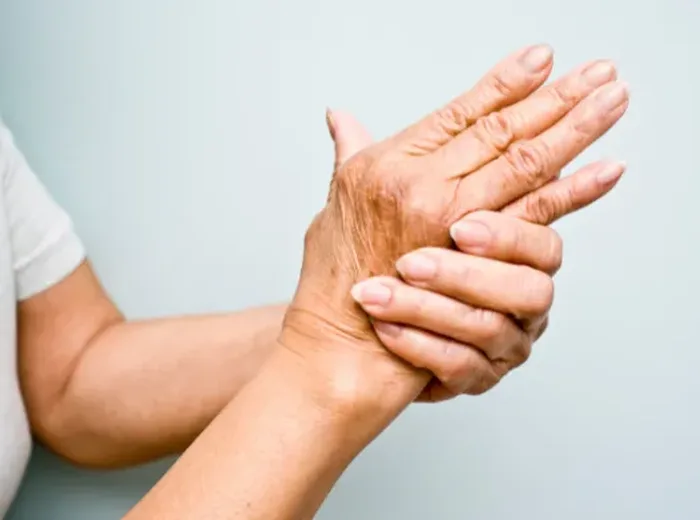
Arthritis
Arthritis in the hips and knees is manageable when the muscles around the joint are strong.
Frequently asked questions.
You should get evaluated if your hip or knee pain lasts more than a few days, keeps coming back, or makes it difficult to walk, go up and down stairs, stand, exercise, or sleep. Swelling, stiffness, catching, locking, or a feeling that the joint might give out are also signs you should not just wait it out. At WAVE Physical Therapy & Pilates in Cincinnati, our therapists can help you figure out what is causing your pain and whether physical therapy, imaging, or a referral to another provider is most appropriate.
We frequently see hip and knee pain from arthritis, overuse, tendonitis or bursitis, muscle and tendon strains, meniscus problems, iliotibial band issues, patellofemoral pain, and injuries related to sports or work. Sometimes pain comes on suddenly after a twist, fall, or awkward movement, and other times it builds gradually over months from repeated stress or poor movement patterns. Your WAVE therapist will assess your strength, mobility, alignment, and habits to identify the main contributors to your pain.
In many cases, physical therapy can help you delay or even avoid surgery by improving joint mobility, strength, and alignment while reducing pain and inflammation. We focus on addressing root causes, such as stiffness, weakness, and movement mechanics, to take stress off the joint. If you and your surgeon decide that hip or knee surgery is still the best option, therapy before and after surgery can help you recover faster, move better, and get back to daily activities more confidently.
Completely avoiding all movement is rarely the best long-term solution. In most cases, the right kind of exercise is helpful for hip and knee pain, as long as it is properly dosed and guided. At WAVE, we show you which activities are safe to continue, which ones to modify, and which to temporarily avoid. Your plan may include targeted strengthening, flexibility work, balance training, and low-impact conditioning to support healing without flaring your symptoms.
Recovery time depends on the cause of your pain, how long it has been present, and your overall health and activity level. Some people with mild, recent pain feel improvement within the first few visits. Others with arthritis, post-surgical pain, or long-standing issues may need several weeks of consistent therapy. A common starting point is 1 to 2 sessions per week for 4 to 8 weeks, combined with a home program. At your initial evaluation, your WAVE therapist will outline a realistic timeline and key milestones based on your specific goals.