Elbow, Wrist & Hand Pain Treatment in Cincinnati
Elbow, wrist, and hand pain stops you from doing the things you love. These injuries respond well to specific therapy that addresses both the injury and how you use your arm.
What causes elbow, wrist, and hand pain?
The elbow, wrist, and hand are a complex chain of bones, tendons, and nerves. Pain in these areas usually comes from overuse, nerve compression, or improper movement patterns. The good news is that these injuries respond well to therapy that addresses both the injury and how you are using your arm.
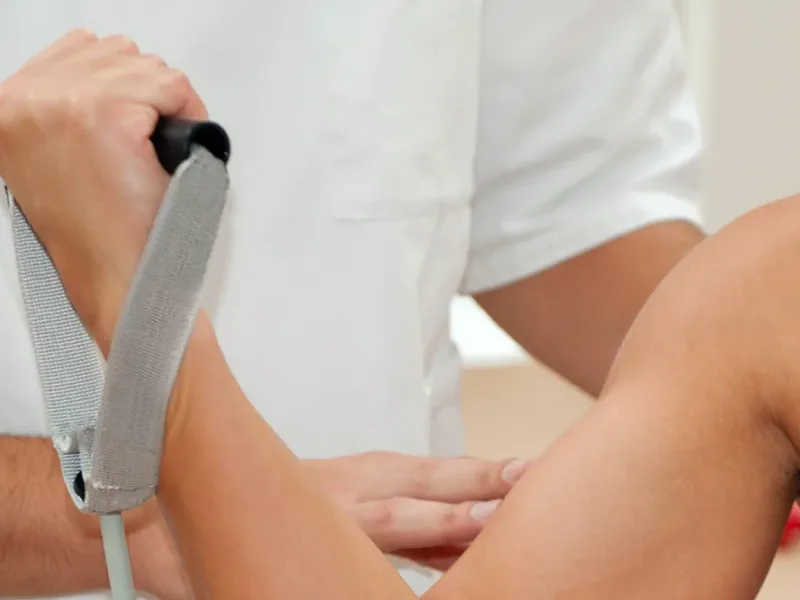
Tennis elbow comes from repetitive gripping, throwing, or reaching. The tendons on the outside of the elbow get inflamed from overuse. You do not need to play tennis. Carpenters, painters, and anyone doing repetitive arm work gets it. Treatment means resting the inflammation and retraining the motion pattern that caused it.
Golfer's elbow is inflammation on the inside of the elbow, usually from gripping or twisting. Like tennis elbow, it is an overuse injury that responds to specific therapy and activity modification. The key is learning to use your arm without overloading the inside of the elbow.
The median nerve passes through a tunnel in the wrist. When that tunnel gets tight from swelling, repetitive motion, or inflexibility, the nerve gets compressed. Symptoms are numbness, tingling, and weakness. Therapy focuses on reducing inflammation, improving wrist movement, and changing the activities that compress the nerve.
Arthritis in the wrist and hand causes pain, swelling, and stiffness. Joints that hurt get used less, which makes stiffness worse. Movement and strengthening keep these small joints healthy. Physical therapy teaches you how to use your wrist and hand without overloading painful joints.
The tendons that bend and straighten your fingers run through tight tunnels. Overuse, repetitive motion, or poor technique can inflame them. Treatment means controlling inflammation, improving flexibility, and retraining movement so tendons are not overloaded.
How you hold your wrist, arm, and shoulder at your desk or while working determines how much stress your wrist and hand experience. Poor mechanics multiply the load on small joints and tendons. Fixing posture and movement patterns is often the most important part of treatment.
Cubital tunnel syndrome is a narrowing of tissues in the elbow that mainly affects the ulnar nerve, which runs from the shoulder down the arm to the wrist. Symptoms can include weakness in the hands, tingling or numbness in the pinky and ring fingers, and pain throughout the fingers and hands.
Bursitis happens when the tiny, fluid-filled sacs that cushion tendons and joints near your bones become inflamed. It is often caused by overuse and repetitive motions and can occur in places like the shoulders and elbows.
In trigger finger, a finger gets stuck in a bent position or bends and straightens with a snap, like a trigger being pulled and released. It happens when the tendon sheath of the affected finger becomes irritated and inflamed, which interferes with the tendon's normal gliding motion. Prolonged irritation can cause scarring, thickening, and nodules in the tendon that restrict movement even more.
De Quervain's tenosynovitis is a painful condition that affects the tendons on the thumb side of your wrist. It causes pain with turning the wrist, grasping, or making a fist.
Sprains and strains are among the most common sports injuries. In the hand or wrist they can come from repetitive use, such as a sport, or from a sudden twisting motion or fall.
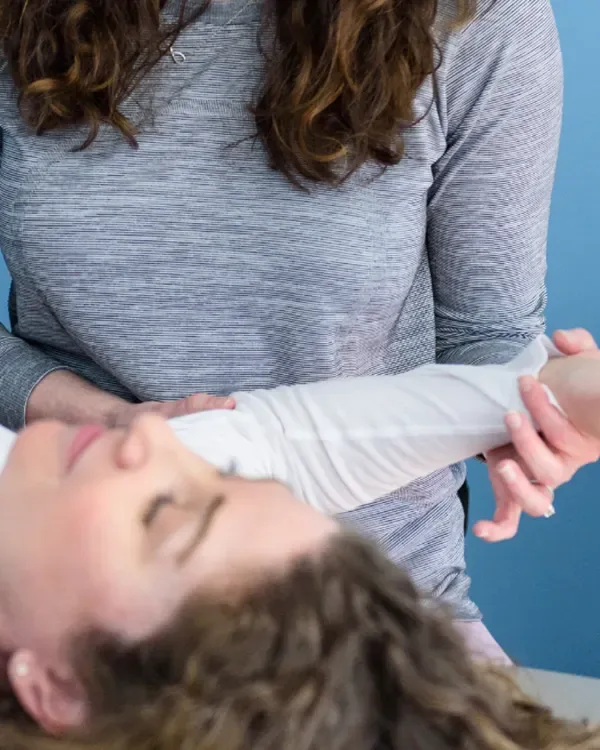
How physical therapy in Cincinnati helps.
Elbow, wrist, and hand pain improves when you address both the injured tissue and how you move. Early sessions focus on reducing inflammation and restoring gentle motion. Manual therapy and soft tissue work address the tight tendons and muscles that pull on the injured area. As pain decreases, we add strengthening to build resilience. We retrain your movement patterns so the problem does not come back. If the pain comes from your desk job or your sport, we modify that activity so you can keep doing it without re-injury. The goal is not just pain relief. It is the ability to grip, throw, type, or perform your sport without limitation.
Physical therapy can effectively reduce or eliminate pain in your elbows, wrists, and hands, and it can even help you avoid surgery. According to the American Physical Therapy Association (APTA), “manual physical therapy may even work better than surgery for conditions such as carpal tunnel.” Your therapist will often work with your primary care doctor to identify the root cause, evaluate your flexibility and strength, and put together an individualized program. Along with exercise and stretching to build strength and range of motion, treatment may include heat and ice therapy, massage, or electrical stimulation.
What to expect from your recovery.
Assessment and inflammation management
We identify what is causing your pain and how you are using your arm. Early sessions use manual therapy and gentle movement to reduce inflammation and restore basic function.
Strengthening and movement retraining
We build strength in the muscles that support your elbow, wrist, and hand. We retrain the movement patterns that led to injury so you can use your arm efficiently without overload.
Return to full activity and prevention
As pain fades and strength returns, you resume the activities you love. We teach you how to maintain strength and use proper mechanics to prevent re-injury.
I had an excellent experience working with Annalise Calo to address a case of tennis elbow.
Pain rarely travels alone.
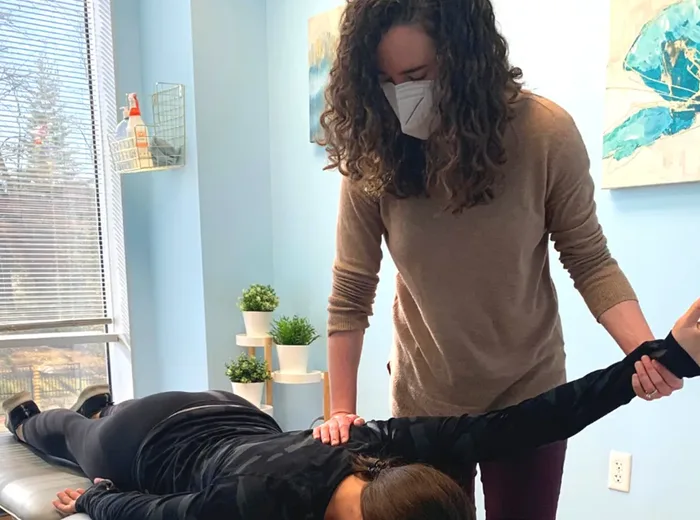
Shoulder Pain
Shoulder dysfunction often contributes to elbow, wrist, and hand pain. We treat the whole chain.

Joint Pain
Stiff or painful joints in the wrist and hand limit grip and mobility. We restore mechanics and strength.

Sports Injuries
Throwing and racquet sports stress the elbow and wrist. We rehab the injury and prevent recurrence.