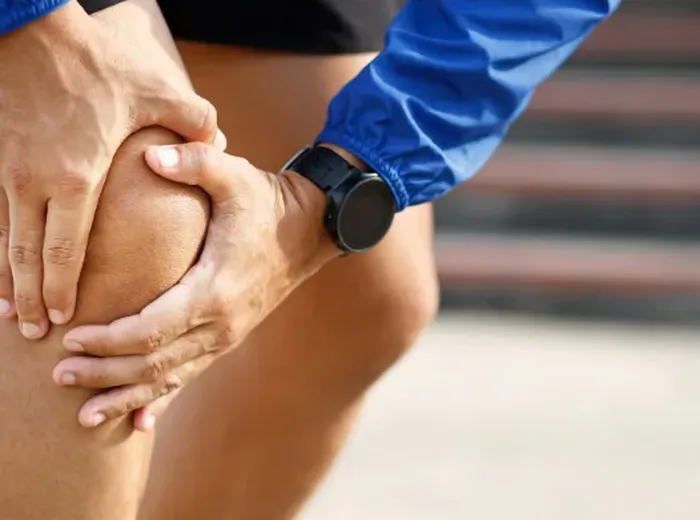
A torn rotator cuff does not always mean surgery. In many cases, the right strengthening program restores function just as well, and even after surgery, that same work is what makes recovery stick.
The rotator cuff is a group of four tendons that hold your shoulder together and let you lift and rotate your arm. When one tears, whether partially or completely, the shoulder loses strength and stability fast. Tears range from small and manageable with the right rehab to full-thickness tears that need surgical repair, and figuring out which situation you are in starts with a proper evaluation.
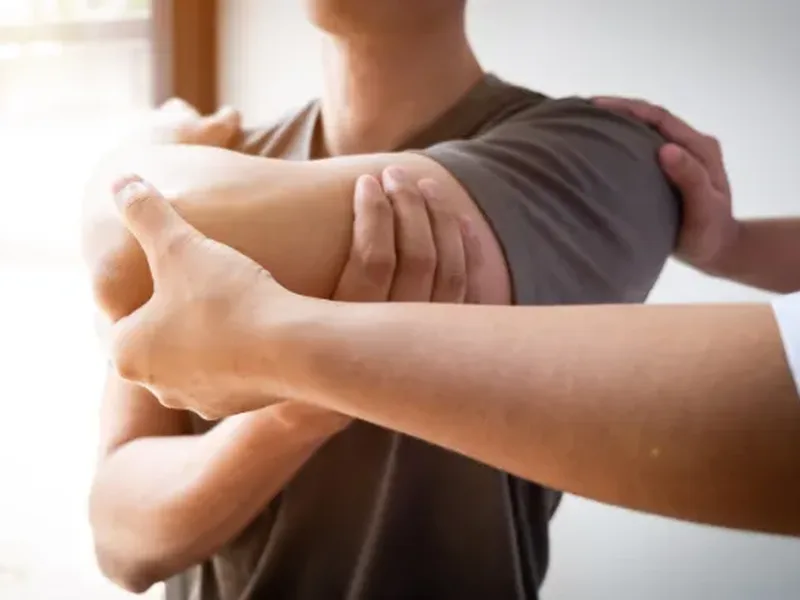
Rotator cuff tendons weaken naturally over the decades, which is why tears become more common after 40, even without a specific injury. Strength around the joint is what keeps a weakening tendon functional longer.
A hard fall onto an outstretched arm or a sudden heavy lift can tear a tendon that was already worn down. Acute tears often benefit from an early, aggressive rehab approach.
Sports like tennis, swimming, and baseball, along with jobs that involve reaching overhead repeatedly, wear on the rotator cuff over time. Addressing the mechanics behind the motion is as important as treating the tear itself.
Repeated heavy lifting or overhead work raises the risk of both acute and gradual rotator cuff tears. Strengthening the muscles that support the joint reduces strain on the tendons doing the heavy lifting.
Ongoing impingement, where the tendon gets pinched with overhead movement, can progress to a tear if left unaddressed. Catching and treating impingement early is one of the best ways to prevent a full tear.
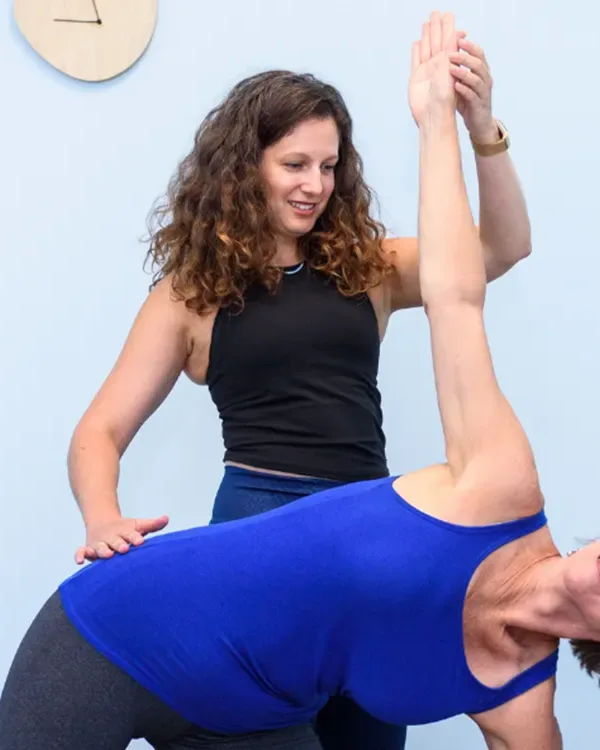
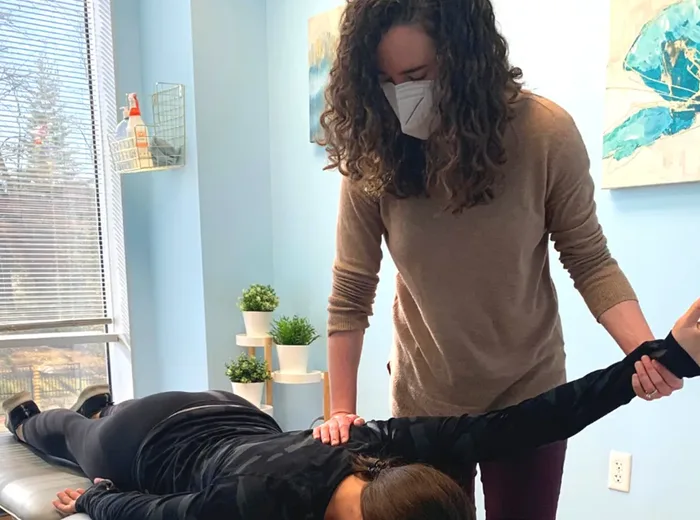
Whether your rotator cuff tear is being managed conservatively or you are recovering from surgical repair, physical therapy is the piece that determines how much strength and function you get back. For non-surgical cases, we build a progressive strengthening program that restores stability and function around the tear, often avoiding surgery altogether. For post-surgical patients, we follow your surgeon's protocol precisely, starting with protected range of motion and progressing to targeted strengthening as your repair heals. Either path uses hands-on manual therapy to manage pain and restore mobility alongside exercise that rebuilds the specific muscles your shoulder needs to function without re-injury.
Every rotator cuff plan we build follows our Pain, Prime, Perform, Prevent framework: calm the initial pain and inflammation, prime the tendon and joint for safe loading, help you perform the lifting, reaching, and overhead motion your shoulder used to handle without a second thought, and build the strength that prevents a second tear down the road. Serving Cincinnati athletes and workers alike, we treat rotator cuff tears at every stage, from a first flare-up to post-surgical recovery, always with one-on-one sessions built around your specific tear, your goals, and your timeline. A shoulder that has been guarded and favored for months needs more than a generic exercise sheet, and that individualized attention is exactly what a hands-on evaluation here provides from day one.
We assess the extent of your tear, your strength, and your movement pattern, then begin hands-on treatment to reduce pain.
We rebuild the rotator cuff and surrounding shoulder muscles with a carefully progressed program, whether or not surgery was involved.
The final phase restores the strength and confidence to lift, reach, and use your shoulder fully in daily life or sport.
I have seen both Dr Sarah Crawford and Dr Sara Koehl and I felt very comfortable and heard that my needs and pain was addressed. I recommend dry needling from either one.

A rotator cuff tear is one of many causes of shoulder pain we treat. See the fuller evaluation approach here.

Overhead sports are a common source of rotator cuff strain. We treat the injury and the movement pattern behind it.

Shoulder joint mechanics matter as much as the tendon itself. We assess both together.