


Shoulder Pain in Cincinnati
Does a simple move to place a jar on a high shelf seem impossible because of shoulder pain? Do you wonder whether or not you’ll able be able to sleep on your side again without waking up in agony? Has a recent injury made your shoulder all but immobile? There are many kinds of shoulder pain, ranging from the temporary discomfort of a pulled muscle to the bone-on-bone friction of arthritis. But whatever is behind your shoulder pain, you can find comfort in the fact that physical therapy offers great promise as a natural pain management modality. Contact one of our physical therapists today to find out how this form of treatment can benefit your shoulder!
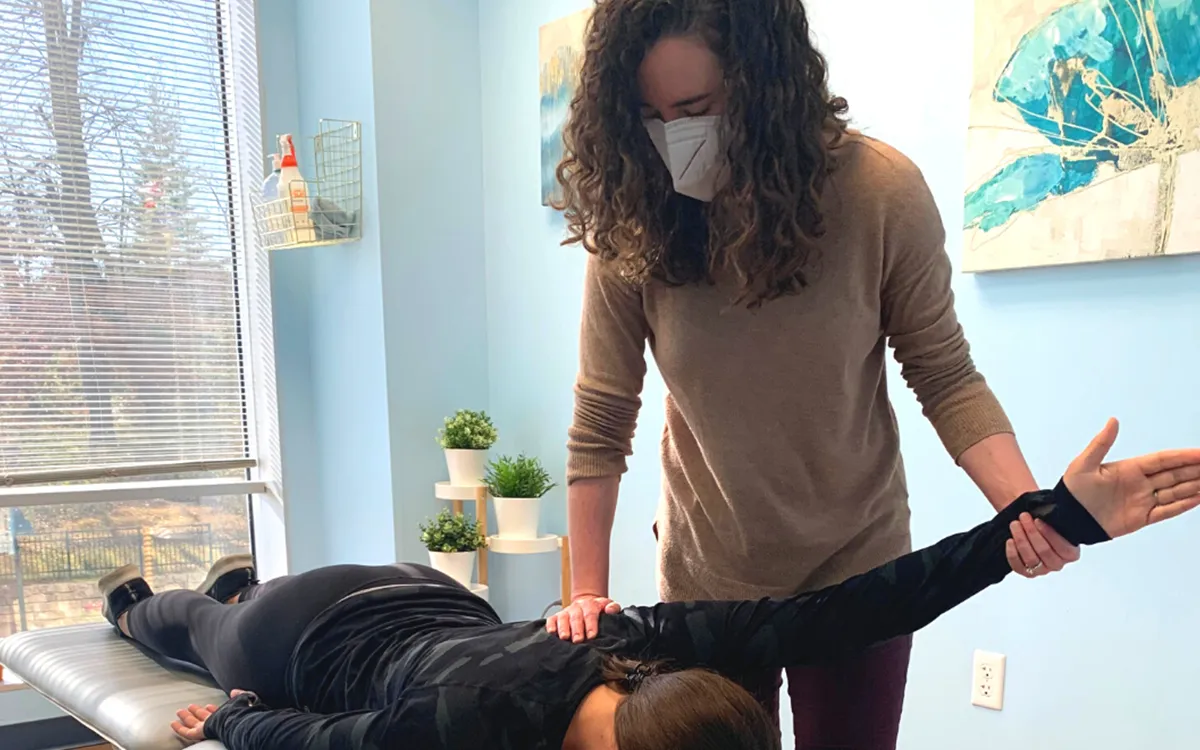
What Is Shoulder Pain?
Your shoulder is capable of amazing feats; however, with amazing feats also sometimes comes amazing discomfort. Your shoulder joint is called a ball-and-socket joint because the head of the humerus (upper arm bone) naturally fits into a corresponding space within the scapula (shoulder blade.) A layer of cartilage keeps the bone ends from rubbing together, and sacs called bursae keep nearby tendons from rubbing painfully against the bones. The tendons attach the bones to a set of muscles called the rotator cuff. When something goes wrong with the intricate mechanical interplay among these structures, pain is sure to result.
Shoulder pain can vary, depending on its cause. In some forms of tendon impingement, for instance, you feel pain as you raise your arm up, only to stop feeling the pain before the arm stretches completely skyward. A degenerated shoulder joint may ache annoyingly every time you move it in any direction. An acute injury can cause sharp, intense pain that makes it impossible for you to move your shoulder at all.
What Causes Shoulder Pain?
The complexities of the shoulder joint present many opportunities for pain-causing conditions. WebMD cites some of the more common causes of shoulder pain as:
Arthritis — Osteoarthritis occurs when the cartilage in the shoulder joint wears out, a common age-related issue. Rheumatoid arthritis causes pain when the immune system decides to attack membranes surrounding the shoulder joint.
Tendonitis — Overuse of the shoulder joint (often related to the demands of a job or favorite sport) can cause the tendons to suffer from ongoing inflammation. The swelling can then create painful impingement when you raise your arm.
Bursitis — Sometimes, the friction from neighboring tendons can cause the bursae to experience inflammation, making overhead motions painful.
Dislocation — When the head of the humerus pops out of its place, the shoulder is said to be dislocated. This is an enormously painful injury, and one which you may be more vulnerable to after the first incidence.
Frozen shoulder — The medical term for frozen shoulder, according to the Mayo Clinic, is adhesive capsulitis. If your arm has been in a cast or sling for a long time, or you were bedridden and had no opportunity to exercise your shoulder, the tissues may have stiffened up on you.
How Physical Therapy Helps Shoulder Pain in Cincy
Don’t assume that you have to gulp down painkillers or schedule surgery to fight shoulder pain. Physical therapy can treat many of the conditions responsible for this complaint in a safe, non-invasive manner. Your physical therapist can pinpoint the cause of your pain through a variety of diagnostic techniques. X-rays can reveal signs of arthritis or dislocation. Range-of-motion tests and discussion of your symptoms can tell us exactly which soft tissue may be involved in your pain.
Once we know why your shoulder hurts, we can recommend the correct mix of physical therapy methods to help manage or even completely relieve that pain. Exercises can be very helpful for easing both the pain of osteoarthritis and the stiffness of frozen shoulder. Bursitis responds well to techniques ranging from heat and ice applications to changes in your workplace ergonomics or athletic training routine. Strengthening exercises can rehabilitate injured muscles and stabilize a shoulder prone to dislocation.
Many of the conditions responsible for this complaint in a safe, non-invasive manner. Your physical therapist can pinpoint the cause of your pain through a variety of diagnostic techniques. X-rays can reveal signs of arthritis or dislocation. Range-of-motion tests and discussion of your symptoms can tell us exactly which soft tissue may be involved in your pain.
Once we know why your shoulder hurts, we can recommend the correct mix of physical therapy methods to help manage or even completely relieve that pain. Exercises can be very helpful for easing both the pain of osteoarthritis and the stiffness of frozen shoulder. Bursitis responds well to techniques ranging from heat and ice applications to changes in your workplace ergonomics or athletic training routine. Strengthening exercises can rehabilitate injured muscles and stabilize a shoulder prone to dislocation.
FAQs
How do I know if my shoulder pain is serious enough to see a physical therapist?
You should be evaluated if shoulder pain lasts more than a few days, keeps coming back, or makes it hard to lift your arm, reach overhead, sleep on that side, or perform work or sports. Red flags include sharp pain with simple movements, weakness when lifting, a feeling of catching or “giving way,” or pain that travels into the upper arm. At WAVE Physical Therapy & Pilates in Cincinnati, your therapist will help determine whether your shoulder pain is coming from joints, tendons, muscles, or nerves and whether physical therapy, imaging, or a referral is the best next step.
What are the most common causes of shoulder pain you see at WAVE?
We frequently treat shoulder pain from rotator cuff irritation or tears, impingement, bursitis, tendonitis, arthritis, frozen shoulder (adhesive capsulitis), labral issues, posture-related strain, and overuse from work or sports. Sometimes pain starts after a specific injury, such as a fall or lifting episode; other times it builds gradually from repeated overhead activity or poor mechanics. Your WAVE therapist will assess how your shoulder, shoulder blade, spine, and ribs move together to pinpoint the main drivers of your symptoms.
Can physical therapy help me avoid injections or surgery for shoulder pain?
In many cases, yes. Physical therapy can improve shoulder motion, reduce inflammation and impingement, and restore strength and control to the rotator cuff and stabilizing muscles. This often reduces or eliminates the need for injections or surgery, especially for impingement, tendonitis, bursitis, and early rotator cuff problems. If you already have imaging or are considering surgery, your WAVE therapist can help you understand your options and communicate with your medical provider about the best plan.
How long does it take to feel better with physical therapy for shoulder pain?
Timelines depend on the cause and severity of your shoulder pain, as well as how long it has been present. Mild strains or overuse issues may improve within a few weeks of targeted therapy. Conditions like frozen shoulder, more significant rotator cuff involvement, or long-standing pain may require several months of progressive treatment. A typical starting plan is 1–2 visits per week for 4–8 weeks, plus a home program. At your evaluation, your WAVE therapist will outline a realistic timeline and key milestones for your specific goals.
Is it safe to keep using my arm or working out if my shoulder hurts?
In most cases, complete rest is not necessary and can even slow recovery. The key is using the shoulder in smart ways that don’t overload irritated tissues. At WAVE, we help you understand which movements to temporarily modify, how to adjust lifting or overhead activity, and what type of exercise is safe to continue. Your plan may include gentle mobility work, postural changes, rotator cuff and shoulder-blade strengthening, and a graded return to the activities, sports, and workouts you enjoy.
Find Relief from Shoulder Pain in Cincinnati
Your physical therapist will start the process of dealing with your shoulder pain by evaluating it. You’ll be asked questions about the cause of the pain, how severe it is, what makes it worse and whether anything makes it feel better. The physical therapist will conduct some tests to determine the range of motion in your shoulder and test its strength.
Depending on the cause of your shoulder pain, your physical therapist will begin a recommended course of treatment to improve your range of motion and start the healing process. This can involve pain management, such as identifying painful motions or activities and figuring out ways to avoid those. Your treatment will likely involve manual therapy, such as soft tissue massage, as well as range-of-motion exercises to help improve the function of your shoulder muscles and ligaments. Strengthening exercises may or may not be a part of your treatment, depending on the diagnosis. It’s important that you follow your physical therapist’s advice, so you can properly heal.
If you’re suffering from shoulder pain as a result of an injury, contact us today to schedule an appointment with a physical therapist. We’ll get you back on the path to healing as quickly as possible!
Request An Appointment
Please fill out this form and we will contact you about scheduling.

Sarah J

“Sarah Crawford is not your run of the mill physical therapist. She’s exceptional. Sarah stays current with all new techniques to better help her clients. I’ve been in PT off and on for the last 20 years for various injuries. Never have I had a more caring and competent doctor. I value and respect her opinions on my care. She is a valuable asset to have.”

Christine S
“Sarah is a miracle worker. I’ve seen her for two different issues and she has helped me tremendously. Both times her assessment has been spot on. I also appreciate that she actually works on you while you’re there, rather than just watching you do exercises. She is the real deal and I can’t recommend her enough. The rest of her team is pretty awesome too!”